
This page is all about the most famous horses ever to compete on the U.K. and U.S. racetracks. Thoroughbreds with genuine pedigrees which have proved their quality, courage, and physical strength. We’ll introduce their most valuable achievements and most spectacular victories and the legacy some of them have left behind.
Meet the breeders and trainers of these famous race horses and learn intriguing facts about their last days. Colts and geldings like Arkle hold unbeaten records and have races named after them. For example, Red Rum, another Irish bay gelding, won the Grand National three times and took two 2nd places in five consecutive years!
Arkle, on the other hand, is a proud winner of a treble from the Cheltenham Gold Cups. On this page, you can find the career highlights of U.S. sprinters, including the legendary Ruffian. Discover all about the best racing colts and fillies in our articles dedicated to the most famous thoroughbred champions!
Famous UK Horses
One of the most famous horses in history, which will always be remembered for its Grand National treble between 1973 and 1977. Red Rum was close to triumphs in 1975 and 1976, too but finished second. Its record is 24 wins out of 100 races and not a single fall.
The Red Rum horse Grand National crusade started in 1965 when it was foaled in the Rossenarra stud in Kells, Ireland. It was a gorgeous thoroughbred bay colt sired by Quorum. Its dam Mared connects Red Rum to the broodmare Batika! The breeder of the racehorse was Martyn McEnery, and the last owner – Noel le Mare.
Red Rum was bred to compete in short-distance sprints, and in its early years, it won a few low-value races. We can highlight the triumphs at the Aintree, Warwick, and Doncaster racecourses as a two-year-old and three-year-old (1966/67). After showing its great potential, Red Rum was trained at Southport, England.
The debut of the future Thoroughbred steeplechaser champion was in 1973 at the Grand National. The four miles and two-and-half furlongs race is the most valuable horse jump competition in England. Two laps and 30 fences need to be conquered, a true test of courage and jumping ability.
Red Rum and the jockey Brian Fletcher won on 31 March by less than one length to Crisp, the Australian chaser who led almost the whole race. The time was an absolute record – 9 minutes and 1.9 seconds. However, the race was considered one of the “greatest Grand Nationals in history” for another reason.
Crisp had a 15 lengths lead at the last fence, but Red Rum caught up in the last stretch, remembering its old days as a sprinter. That victory ranked it among the most famous race horses. Brian Fletcher also rode it in 1974 to retain the Grand National title and win the Scottish Grand National.
Red Rum remains the only horse with wins in both races in one year! In 1975, it finished second at the Grand National and Tommy Stack replaced Brian Fletcher as a jockey. In 1976, it finished second again, although very close to Rag Trade. Red Rum made its historic treble in 1977!
At the age of 12 and with Tommy Stack on its back, it finished 25 lengths clear of Churchtown Boy. During the next year, Red Rum’s sixth Grand National appearance was stopped by a hairline fracture. This was its retirement year, and the news was widely broadcasted, confirming Red Rum’s celebrity status.
What happened to Red Rum after its retirement? It went back to Aintree, where it spent its last years. Red Rum died in 1990 and was buried next to the famous racetrack. Today, visitors will find a life-size bronze statue there and can spectate the Red Rum Handicap Chase at Aintree Racecourse.
But how did Red Rum die? Well, the reason was a bone disease in his foot, which was not apparent during its racing career. It was put down in 1995 at the age of 30 after its health worsened. Red Rum will always be remembered as one of the U.K.’s most beloved racehorses.
If you ever visit Wayfarers Arcade in Southport, you can find another bronze statue. There are several songs written about the Red Rum, and it was a BBC Sports Personality of the Year Awards studio guest. The 1973 Grand National triumph is voted number 24 in the 100 Greatest Sporting Moments by the U.K. public.
Arkle
Also among the most famous racing horses immortalised in songs and books, Arkle was a magnificent Irish thoroughbred. It was foaled by Mary Baker of Malahow House at Ballymacoll Stud in County Meath, Ireland. It was owned by the Duchess of Westminster – Anne Grosvenor. She named it after a mountain in the Scottish Sutherland.
Arkle was born in April 1957, and it’s a grandson of the notorious sire Nearco. The Italian-bred thoroughbred was unbeaten in 14 races. It was included among the finest racehorses of the XX century by Thoroughbred Heritage. Arkle’s sire and dam were Archive and Bright Cherry, during the damsire – Knight of the Garter.
Arkle finished its short career with a record of 27 wins out of 35 races. It finished second twice and three times a third. It was trained by Tom Dreaper and was ridden by the Irish National Hunt jockey Pat Taaffe. Arkle, the horse, will remain in history with the 212 TimeForm rating!
That was, and it still is, the highest rating awarded to a steeplechaser! Arkle took part in six National Hunt seasons, winning three times the Cheltenham Gold Cup and Leopardstown Chase, both in 1964, 1965, and 1966. Arkle’s first appearance was in the 1961/62 season at Mullingar Racecourse, where it finished third.
It was an amateur-rider bumper, and Arkle had Mark Hely-Hutchinson on its back. In the same year and with the same jockey, the bay gelding finished fourth at Leopardstown Racecourse. During the first days of 1962, Arkle defeated 26 horses in the three-mile Bective Novice Hurdle race, winning by one and a half lengths.
The Rathconnell Handicap Hurdle at Naas, a two-mile jump, was the Arkle horse race where it showed its true potential. Pat Taaffe rode it for the first time, and they won by four lengths in the company of nine other runners. In season 1962/63, Arkle took the Punchestown Gold Cup and Powers Gold Cup.
We can highlight the Honeybourne Chase (1962) and Broadway Chase in the Arkle horse race record! Both wins were by clear leads of 20 or more lengths! However, the next few years were a lot more successful and ranked Arkle next to the most famous horses. The Irish Grand National handicap was won in 1964.
In addition, Arkle triumphed twice with the Hennessy Gold Cup and won the Whitbread Gold Cup and Gallaher Gold Cup (1965), improving the racecourse record by 17 seconds. The most crucial victory, nevertheless, was in the 65 ‘King George VI Chase at Kempton! Arkle and Taaffe won the three-mile steeplechase by 30+ lengths!
The last appearance in the horse racing Arkle career was on 27 December 1966 at the Kempton Park’s King George VI Chase. The previous victory – SGB Handicap Chase in the Ascot Racecourse, enthused the trainer Tom Dreaper for one last march. Unfortunately, Arkle struck the guard rail over its open ditch jump and fractured the pedal bone.
Arkle finished the chase second at just a length behind the winner – Dormant, and was immediately taken for treatment. It retired in 1967 and was put down at the age of 13 in 1970 after its condition deteriorated. In 1994, Arkle was inducted into the British Steeplechasing Hall of Fame.
Two Grade 1 races were named after the famous thoroughbred – Arkle Challenge Trophy at Cheltenham and Arkle Novice Chase at Leopardstown. Although Pat Taaffe disapproved, in 1976, Arkle’s remains were exhumed, and its skeleton displayed at the Irish National Stud & Gardens in Tully, County Kildare.
Best Mate
It was an Irish-bred thoroughbred racehorse trained in England and lived from January 1995 to November 2005. It was undoubtedly one of the most famous and loved horses in the United Kingdom, who died tragically while racing. Best Mate was bred by Jacques Van’t Hart and owned by Jim Lewis.
Lewis sold a 40% share in 2000 for more than £240,000 to Markus Jooste! Best Mate’s trainer was Henrietta Knight, famous for her achievements in training racehorses for the National Hunt. She is responsible for 26 major wins, including the Cheltenham Gold Cup (3 wins) and Peterborough Chase (8 wins).
Other famous horses trained by Henrietta Knight are Edredon Bleu (26 wins), Somersby (7 wins), and Karshi (6 wins). Best Mate ran 22 races, winning 14 of them and finishing second 7 times. It was sired by the French stallion Un Desperado who won the 1986 Prix Eugene Adam, and grandsired by Top Ville.
Best Mate’s pedigree goes back to the French champion Sicambre and the Prix de l’Arc de Triomphe colt winner Vaguely Noble. The blood connection to them comes from Best Mate’s dam Katday. The British thoroughbred Derring-Do and American thoroughbred Round Table share blood with Un Desperado. The horse’s first gallop wins were in 2000.
Best Mate ran over 2 miles and 4 furlongs to win the Mersey Novices’ Hurdle and the two-mile Grade 2 National Hunt November Novices’ Chase. In 2001, the bay gelding triumphed at the Grade 1 National Hunt steeplechase Scilly Isles Novices’ Chase and Grade 2 Haldon Gold Cup. In 2002, Best Mate won its first Cheltenham Gold Cup!
The jockey was Jim Culloty, who had the Gold Cup and Grand National on his belt in the same season. With him on its back, Best Mate took another two successive Cheltenham Gold Cups, matching Arkle’s record. It was about to participate in 2005 as well but was withdrawn due to health issues.
Best Mate never fell at a fence or hooked a hurdle. In 21 races, it was either first or second. The 22nd race was the Haldon Gold Cup on 1 November 2005 at Exeter Racecourse. The jockey in that competition, Paul Carberry, pulled him up and then dismantled.
The horse stumbled and fell to never rise again. The suspected reason was a massive heart attack. Best Mate’s death became national news! In its career, we need to highlight a few other major wins, including Peterborough Chase and King George VI Chase in 2002 and Ericsson Chase in 2003.
Best Mate’s remains were cremated, and the ashes were buried at the Cheltenham Racecourse winning post. A bronze statue and enclosure were revealed at the same track in memory of one of the most adored racehorses in history. In 2007, Best Made and another beloved steeplechaser Desert Orchid were added to Cheltenham’s Hall of Fame.
Timeform awarded the highest rating of 182 to the Irish thoroughbred, which looks quite low compared to Arkle’s 212. However, the organisations admitted that they could give a higher rating if Best Mate had participated in more handicap races. Best Mate was also awarded “Jump Horse of the Year” by the British Horse Racing Board.
Kauto Star
A true champion and one of the most skilled and famous race horses of the modern era. Kauto Star holds the record of winning King George VI Chase- 5 times between 2006 and 2011. In its long career, the French-bred steeplechaser won a record £3,775,883 from the National Hunt.
Kauto Star horse was a bay gelding bred in 2006 by Mrs Henri Aubert. Its sire was Village Star, a winner of the Grand Prix de Saint-Cloud, while the dam was Kauto Relka. Kauto Star’s grandsire and damsire were Moulin and Port Etienne. Its owner was Clive Smith.
In its 12-year racing career, Kauto Star had 2 trainers – Serge Foucher in its early years and Paul Nicholls, who has stables in Somerset. The French jumper finished its career with 23 wins in 41 races, 7 second and 4 third places. Kauto Star won the Stayers Chase Triple Crown in the 2006/07 season!
But pulling the tape a little further back, we must begin with the first races in France, with Serge Foucher as a trainer. In 2003, Kauto Star stepped for the first time on the track. It finished second in the Bordeaux Le Bouscat Racecourse but won the following two jumps.
The British trainer Paul Nicholls saw the horse’s potential a little later in a video from Auteuil Hippodrome. He then convinced Clive Smith to buy Kauto Star for €400,000 and take it to England, where the horse raced in the 2004/05 season. The first start at Newbury Racecourse was an easy one!
Kauto Star won by 9 lengths but finished second in the following two races in Exeter to win at Sandown. Sadly, the following Queen Mother Champion Chase became the last for the 2005/06 season, as the French gelding fell on the third fence. This was Kauto Star’s first Cheltenham festival appearance.
The next several seasons were a lot more successful! Kauto Star won the Betfair Chase 4 times between 2006 and 2011, the 5 King George VI Chase victories, as mentioned earlier, and many other major steeplechase races. We can highlight the Cheltenham Gold Cups from 2007 and 2009 and the win at Ascot in 2008.
Besides winning the Stayers Chase Triple Crown in 2006/07, Kauto Star finished on top of the National Hunt Order of Merit, doubling that in the next season. Thus, it won the £400,000 bonus rewards from the British Horseracing Authority. Kauto Star also twice won the Ladbrokes Campion Chase in 2008 and 2010.
The former JNwine.com Champion Chase is a three-mile National Hunt steeplechase of Grade 1 in Ireland, with 15 fences to jump. So, what happened to Kauto Star and its stunning career? Its last wins were in 2001 at Haydock (Betfair Chase) and Kempton Park (King George VI Chase), with the jockey Ruby Walsh.
In 2012, Kauto Star was about to make a try to win another Cheltenham Gold Cup and match the record of Arkle and Best Mate. However, it suffered an injury in the training yard and was pulled out. Later in the same year, the gelding’s retirement was announced, and he lived for 3 more years.
How did Kauto Star die is a tragic story of a really huge champion! In 2015, the horse fell in its paddock and the Valley Equine Hospital’s veterinary assistant said that three bones were fractured and another one to the spine, which caused paralysis. On 29 June, Kauto Star was humanely euthanised.
Nowadays, you can see a statue of the Somerset-trained horse legend in Surrey at Kempton Park, where it won 5 times King George VI Chase. Kauto Star has 4 “Top-Rated Steeplechase Horse” awards and was the only racehorse to become top-rated over 2, 2.5, and 3 miles during the same season!
Frankel
Named after the late legendary horse trainer Bobby Julian Frankel, the British thoroughbred is a retired unbeaten champion and sire with notable progeny. Frankel is a descendant of one of the most famous horses, the Canadian-bred Northern Dancer, who won the Kentucky Derby in 1964. Frankel was foaled in February 2008.
Frankel’s sire was Galileo, and it came out of the famous broodmare Kind. It was bred at Juddmonte Farms, owned by Khalid Abdullah, and trained through its entire career by Henry Cecil. The only jockey ever to ride Frankel is Tom Queally, who also rode Midday, The Tin Man, and several other champions.
Frankel is a bay colt bred to be a sprinter, and it did the job well throughout its career, recording 14 wins and no defeats. It ran over a mile and a mile and a quarter races, and since May 2011, it has been the highest-rated racehorse. At Frankel’s retirement, TimeForm confirmed a rating of 147 and 140 by the World Thoroughbred Racehorse Rankings Committee.
Frankel’s debut was on soft ground at Newmarket in the EBF Maiden Stakes, where it defeated Nathaniel and Colour Vision, Group 1 winners. During the same season as a two-year-old, Frankel won the Juddmonte Royal Lodge Stakes, Frank Whittle Stakes, and Dewhurst Stakes, beating other famous race horses U.K., including Dream Ahead and Klammer.
Frankel started the 2011 season with a win at Newbury in the Greenham Stakes, defeating the runner-up Excelebration by 4 lengths. The next race was at Newmarket on 30 April – 2000 Guineas. Frankel defeated a field of 13, taking an easy lead of 6 lengths in front of the second-finished Dubawi Gold.
The St. James’s Palace at Ascot Racecourse and Sussex Stakes at Goodwood reinforced its form. “The Duel on the Downs” is one of the much-anticipated confrontations of the year. Frankel finished 5 lengths ahead of Canford Cliffs, a Group 1 winner in 5 consecutive years. Queen Elizabeth II Stakes was the season’s last race.
Frankel triumphed over a mighty competition of other champions, like Excelebration, who finished second, Immortal Verse, Poet’s Voice, and Dick Turpin. The 2012-campaign promised a new vibe of thrill as Frankel was about to run at some of the calendar’s premier middle-distance sprints (10 Furlongs), including International Stakes at York and Champion Stakes at Ascot.
The season started relatively late for Frankel due to an off-fore injury. At Lockinge Stakes on 19 May, the colt beat Excelebration again with 5 lengths, and again in the Queen Anne Stakes a month later, with 11 lengths. Frankel took its second Sussex Stakes victory on 1 August, showing an impressive will to win!
The last two races of Frankel’s career were the mile and a quarter Juddmonte International and Champion Stakes. The British-bred champion finished with style, defeating Farhh and Cirrus des Aigles and retired as the highest-rated ever sprinter. It was sent to be a stud at Banstead Manor Stud, where it still is today.
Frankel has a notable offspring and became a leading sire for 2021 in Great Britain and Ireland. The most successful foals it sired are Adayar and Hurricane Lane, winners of many races, including the Irish Derby and Epsom Derby. The World Thoroughbred Rankings Leader award for 2011 and 2012 is also among Frankel’s numerous achievements.
Famous Horses from the US
Ruffian
With a height of 16.2 hands (168 cm.), Ruffian was one of the most impressive juvenile fillies who has stepped on the U.S. racetracks. The American-bred thoroughbred was the top-ranked female horse by The Blood-Horse magazine in their list of 100 best American racehorses of the XX century.
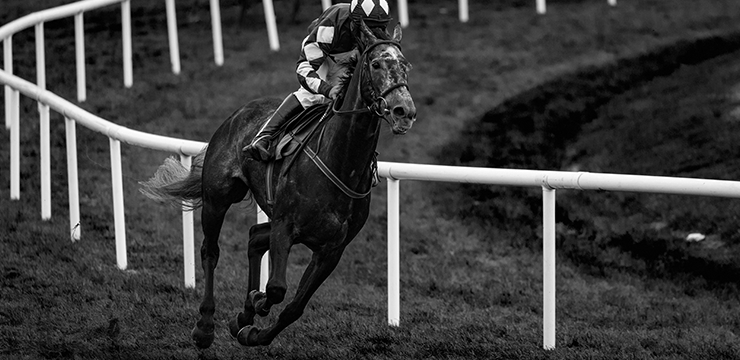
Ruffian the horse was foaled on 17 April 1972 at Claiborne Farm located near Paris, KY. The filly was bred by the Locust Hill Farm (Glyndon, MD) owners Stuart Janney and Barbara Janney. Ruffian was sired by Reviewer, and its dam was Shenanigans, a Kentucky Broodmare of the Year for 1975.
Bold Ruler and Native Dancer, other of the most famous horses in history, were Ruffian’s grandsire and damsire. Together they have a record of 44 wins out of 55 races. Ruffian horse was a very dark bay who tragically died on 7 July 1975 after 10 stunning sprints and 10 absolute victories.
As a two-year-old, the filly ran five tracks over five-and-a-half and six furlongs. Its debut was on 25 May in the Maiden Special Weight at Belmont Park. Ruffian defeated nine other colts and fillies, finishing 15 lengths clear and setting a new track record of 1:03 flat. The jockey was Jacinto Vasquez.
In fact, Vasquez rode Ruffian in all of its races, but Astoria Stakes and Spinaway Stakes, when the jockey was Vince Bracciale. The second and third wins of the Ruffian race horse were at Belmont Park again (Fashion Stakes) and at Aqueduct. Two more wins and time records of the runaways.
During its stunning career, the near-black filly was always leading at every call point and broke all track records. Ruffian finished the 1974 season with wins at Monmouth Park and Saratoga. The dominance in the next season as well made Ruffian an American Champion filly (Eclipse Award) at the ages of 2 and 3.
After the six-furlong Sorority Stakes and Spinaway Stakes at the end of 1974, the new season started with an identical race – Allowance at Aqueduct. The sixth consecutive win was followed by another one just 16 days later on the same track – Comely Stakes. This time the distance was seven furlongs.
Between 10 May and 22 June, Ruffian participated in three races and won the former American Triple Tiara. The sprinter took over the Acorn Stakes with an eight-and-a-half lengths lead. Then it won the Mother Goose Stakes and Coaching Club American Oaks, which would be the last of its career.
On 6 July, Ruffian entered a match race at Belmont Park with Foolish Pleasure, a three-year-old colt, winner of the Kentucky Derby. A little after the third furlong, the filly broke down, although it finished the race with both right-foreleg sesamoid bones snapped. Despite the 12-hour orthopaedic surgeon, Ruffian had to be euthanised.
The Ruffian horse injury was one of the worst that could happen, and vets did their best, although in vain. In 1976, Ruffian was accepted at the American Racing Hall of Fame, taking its place among the most famous horses. There is a Ruffian Stakes race at Belmont Park these days.
A TV film was also released in 2007 as Ruffian’s death led to more humane treatment. New medications were introduced, and special post-surgery procedures were implemented. Ruffian was posthumously awarded its second Eclipse Award. It remains are buried at Belmont Park near an infield flag pole.
Secretariat
The “American Horse of the Year” for 1972 and 1973, Secretariat was regarded as one of the greatest of all times. It was also known as the Big Red and was an American-bred champion who won the American Triple Crown 25 years after Citation. Secretariat won the Eclipse Award five times!
In 1973, Big Red set and still holds the record times for the Kentucky Derby, Preakness Stakes, and Belmont Stakes. It won the last one with a lead of 31 lengths, crushing the previous record of 25 lengths set by Count Fleet in 1943. In its entire career, Secretariat ran in 21 races, winning 16.
It was a bright-red chestnut colt born in 1970 at Christopher Chenery’s Meadow Stud and bred by Penny Chenery. Secretariat was trained by Lucien Laurin and rode by several jockeys, including Paul Feliciano and Ron Turcotte. The colt is number two in The Blood-Horse magazines’ “Top 100 U.S. Racehorses of the 20th Century”.
Secretariat was sired by the famous Hall of Fame racehorse Bold Ruler. Its dam was Somethingroyal, a Kentucky Broodmare of the Year 1973. Secretariat’s grandsire was the Irish thoroughbred Nasrullah and damsire – the French-conceived and Irish-born stallion Princequillo. Secretariat was a massive and powerful horse, although a bit clumsy as a yearling.
The career of one of the most famous horses in America started at Aqueduct Racetrack on 4 July 1972. It was heavily bumped but still progressed from 10th to finish 4th at just one-and-a-quarter lengths behind the winner. However, Secretariat won the next 2 races before the August 1972 Sanford Stakes.
Big Red defeated the field with 3 lengths, including the high-regarded Linda’s Chief. Another triumph was achieved 10 days later in the Hopeful Stakes at Saratoga Racecourse. Secretariat won 3 more major races in 1972 – Futurity Stakes, Laurel Futurity, and Garden State Futurity, in all coming from behind.
In 1973, Secretariat lined up among the most famous racing horses by becoming the 9th winner of the American Triple Crown. It crushed the competition, winning the Kentucky Derby at Churchill Downs by two-and-a-half lengths and a new record time. Sham and Our Native finished second and third, just like in the Preakness Stakes.
Big Red won with the same lead, and although the finishing time was disputed, finally, the clocking was confirmed at 1:53 and two-fifths. The Belmont Stakes race attracted more than the usual interest as no racehorse had won the Triple Crown in 25 years! Secretariat had 4 horses to beat, including its peer Sham.
They were both running side by side until the six-furlong mark, opening a devastating lead in front of the other 3 horses. However, Sham tired and finished last, but Big Red continued at a fast pace and won by a smashing 31 lengths! During the same year, the horse won several other major stakes!
It triumphed in the Bay Shore, Gotham, and Man o’ War Stakes won the Arlington Invitational and Canadian International and took the Marlboro Cup. In 1975, Secretariat retired to Claiborne Farm in Paris, KY, to start its career as a stud. In 1992, it was awarded “Leading Broodmare Sire in North America”.
Secretariat sired General Assembly, Lady’s Secret, Kingston Rule, Risen Star and several other major stakes winners. Its official record is 663 foals, of which 341 low-grade race winners and 54 stakes champions. Secretariat was euthanised on 4 October 1989 due to a laminitis hoof condition, causing severe pain and exhaustion.
Secretariat will always be remembered as a kind horse with a nice temperament off the track and an insatiable thirst for victory on it. It was inducted into the U.S. National Museum of Racing and Hall of Fame. A bronze “Secretariat in Full Stride” statue is placed at Belmont Park with a few replicas nationwide.
Buckpasser
Among the most famous horses in the 1960s and 1970s and winner of many awards, including twice “Champion Handicap Horse”. The American thoroughbred champion was a bay colt foaled in 1963, having almost $1.5 million in earnings through its career. Buckpasser was sired by Tom Fool, a Racing Hall of Fame member.
Tom Fool was also the “American Horse of the Year” for 1953 and the sire of many other successful racehorses, like Tim Tam. Buckpasser’s dam was Busanda sired and grandsired by the legendary War Admiral and Man o’ War. The grandsire and damsire of Buckpasser were Menow and War Admiral, respectively.
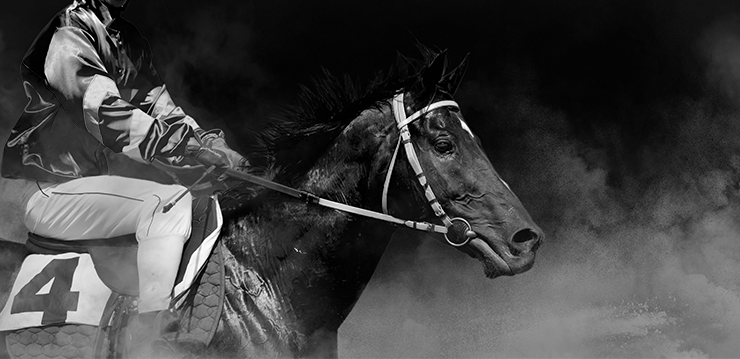
The colt, with an excellent bloodline, was born to become a sprinter and sire, and it all started in Paris, Kentucky. Buckpasser was bred by Ogden Phipps, who would later remain its owner, at Claiborne Farm. William Winfrey and Edward Neloy were the future champion’s trainers. Buckpasser retired with 25 wins out of 31 flat races!
In terms of quality, the colt was ranked in the same class as Secretariat and Affirmed, both Triple Crown winners. The perfect proportions and a bloodline going back to the fabled French stallion Teddy (1913 – 1936) were appreciated by many analysts and racing experts. Buckpasser’s debut was on 13 May 1965, and it finished fourth.
The colt won 4 major races in its two-year-old season, including Champagne Stakes at Belmont Park and Hopeful Stakes at Saratoga Springs. National Stallion Stakes and Tremont Stakes were part of Buckpasser’s 15-win streak, making it “Champion Two-Year-Old” and “Champion Three-Year-Old”. The sprinter won five Eclipse Awards in total between 1965 and 1967.
A quarter crack after Buckpasser’s first season at the 126-pound Experimental Free Handicap was the reason for missing the Triple Crown tracks in 1966. Three months later, in Chicago at Arlington Classic Stakes, Buckpasser won the sprint, breaking the one-mile race world record, finishing at 1:32 and three-fifths.
Buckpasser won 13 starts as a three-year-old, including Flamingo Stakes, American Derby, Woodward Stakes, Everglades Stakes, Travers Stakes, Leonard Richards Stakes, and Lawrence Realization Stakes. It also took a victory over the two-mile-long Jockey Club Gold Cup. Buckpasser broke the American Derby record and earned over $1 million in its first couple of seasons.
At the end of 1966, Buckpasser became “Horse of the Year”, matching its sire’s achievement. The 1967 season started with another win in the San Fernando Stakes at Santa Anita Park. Another victory was scored at the Metropolitan Mile after four-and-a-half months absence due to an off fore right hoof quarter crack.
In June 1967, Buckpasser tried to race on the grass in the Bowling Green Handicap. At Aqueduct Racetrack, it finished third and soon after was retired to become a stud on the same farm it was born. At that time, the stallion was syndicated for $150,000 a share or a total of nearly $5 million.
In 1970, Buckpasser became part of the Horse Racing Hall of Fame. But the horse was also recognised for its stud career as well. For 11 years until its death in 1978, it sired over 300 foals, including the stake-winners La Prevoyante, Quick As Lightning, L’Enjoleur, and Toll Booth, who won “Broodmare of the Year”.
Buckpasser was appreciated as a leading broodmare sire 3 times – 1983, 1984, and 1989. It took 14th place in The Blood-Horse magazine’s list of the top racehorses in the 20th century. Buckpasser died at the age of 15 of a ruptured aorta in its birthplace – Claiborne Farm., where its remains are buried.
Northern Dancer
Born in 1961, Northern Dancer is a Canadian icon and sire of sires. It is in 43rd place in The Blood-Horse magazine list of top 100 American thoroughbred racehorses of the 20th century. The bay colt was the first Canadian-bred sprinter to win the Kentucky Derby in 1964!
The horse Northern Dancer was bred by Edward P. Taylor in Oshawa, Ontario. He was the owner of the Windfields Farm, the birthplace of other Canadian famous race horses, including New Providence, Archers Bay, and Canadiana. Northern Dancer’s trainer was Horatio Luro, a popular thoroughbred horse coach in the United States.
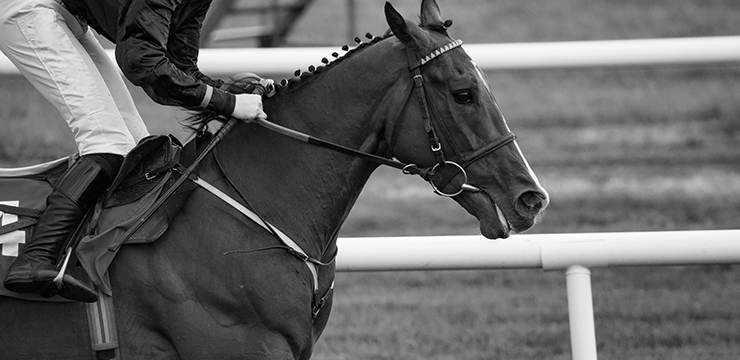
Northern Dancer’s ancestry and bloodline were great prerequisites for the horse’s future racing and sire careers. It was sired by Nearctic (21 wins) and grandsired by the Italian-bred legend Nearco who retired unbeaten in 14 sprints. Nearco became a leading broodmare sire for two consecutive years (1955, 1956) in Great Britain and Ireland.
Northern Dancer’s dam was Natalma and damsire the “Gray Ghost” Native Dancer, with 21 wins out of 22 races. It won the Preakness Stakes and Belmont Stakes in 1953. The Northern Dancer horse pedigree made the powerful young colt a strong favourite. Its racing career started in a maiden race on 2 August 1963.
At Fort Erie Race Track and over five-and-a-half furlongs, Northern Dancer defeated seven horses and won eight lengths clear. It was ridden by Ron Turcotte, who was replaced by Paul Bohenko for the following two races. Northern Dancer finished second in the Vandal Stakes and won the Summer Stakes on the same track.
Ron Turcotte returned for the Cup and Saucer Stakes, Bloordale Purse, and Coronation Futurity Stakes at Woodbine Racetrack. They finished second on the first one but won the next two! Before the end of its first racing season, Northern Dancer triumphed in three other sprints, including the one-mile Sir Gaylord Purse allowance at Aqueduct Racetrack.
Northern Dancer started its three-year-old season with a new jockey – Bobby Ussery, and a third place over the six-furlong allowance at Hialeah Park. Bobby was replaced by Bill Shoemaker, who took the victories in the Flamingo Stakes and Florida Derby. Both sprints weren’t easy – two lengths over Mr. Brick and just one over The Scoundrel.
Between those wins, the legendary Panamanian jockey Manuel Ycaza also rode Northern Dancer. He won by four lengths in an allowance rush at Gulfstream Park on 28 March 1964. Bill Hartack, a Hall of Fame jockey, was on Northern Dancer’s back for the rest of its racing career, starting with the Blue Grass Stakes.
The last rush before the Kentucky Derby was won with just half of a length over Allen Adair. Bill Hartack was glad about the horse’s abilities that day on 23 April at Keeneland as the big derby was approaching. The Northern Dancer horse became the first Canadian thoroughbred to win the sprint in Kentucky!
On 2 May at Churchill Downs, Northern Dancer faced 11 other horses, including Hill Rise, the bookmakers’ favourite. Despite the heavy competition, the smaller colt won and set a new record of two minutes (flat). Two weeks later, in the Preakness Stakes, Northern Dancer was a favourite replacing Hill Rise in the bookies’ lists.
It won by two and a half lengths and was on top of the lists for the last Triple Crown race – the Belmont Stakes. The sprint was at Aqueduct Racetrack due to Belmont Park’s renovations. However, this time the win slipped away, and Northern Dancer finished third behind Roman Brother and the winner Quadrangle.
Northern Dancer returned to Canada to participate in the Queen’s Plate at Woodbine Racetrack. With Bill Hartack on its back, the brave colt outpaced the other seven horses to win the field with seven and a half lengths. Shortly after the rush, Northern Dancer was diagnosed with a bowed tendon and was retired.
It was inducted into the American Racing Hall of Fame, and the Canadian Racing Hall of Fame and Sports Hall of Fame. Northern Dancer was a Canadian champion at the ages of 2 and 3 and won many other awards. Several races were named after its name, including at Woodbine, where it’s its life-size statue.
Northern Dancer was a sire of sires and had a notable progeny. It was the leading sire (1971, 1977) and broodmare sire (1991) in North America. In the United Kingdom, it was the leading sire during four years – 1970, 1977, 1983, and 1984. Northern Dancer and some foals it sired set many sales records.
The most expensive ones were Snaafi Dancer, sold for over $10 million at the age of 1, and Imperial Falcon, sold for $8 million and a quarter. Northern Dancer was euthanised in 1990 due to its inability to survive a necessary colic surgery. It was buried at Windfields Farm, its birthplace 29 years ago!
FAQs
Which trainers have been the most successful?
Robert Julian Frankel is one of the most successful and respected thoroughbred racehorse trainers. He trained many famous horses and registered over 3,650 wins. The undefeated stallion Frenkel was named after him! The trainers with the most wins are Dale Baird (9,400+), Steve Asmussen (8,400+), and Jerry Hollendorfer (7,600).
Which horse has the record for the most wins during it’s career?
The Hungarian thoroughbred Kincsem isn’t just one of the most famous race horses, but it also holds the record for most wins – 54. Moreover, the chestnut filly achieved those victories in a row, never allowing to be outpaced. The Australian Black Caviar has 25 wins, and the American Peppers Pride is third with 19.
How do I place a bet on horse racing?
Check the race card and pick your favourite. Then, go to the betting ring and tell the bookie the number of the horse, what type of wager you want to place and the stake amount. Popular horse racing bets are Each-Way, Exacta, Single-Race, Quinella, and Trifecta. Get your ticket and watch the race!